
Share. Teach. Protect.
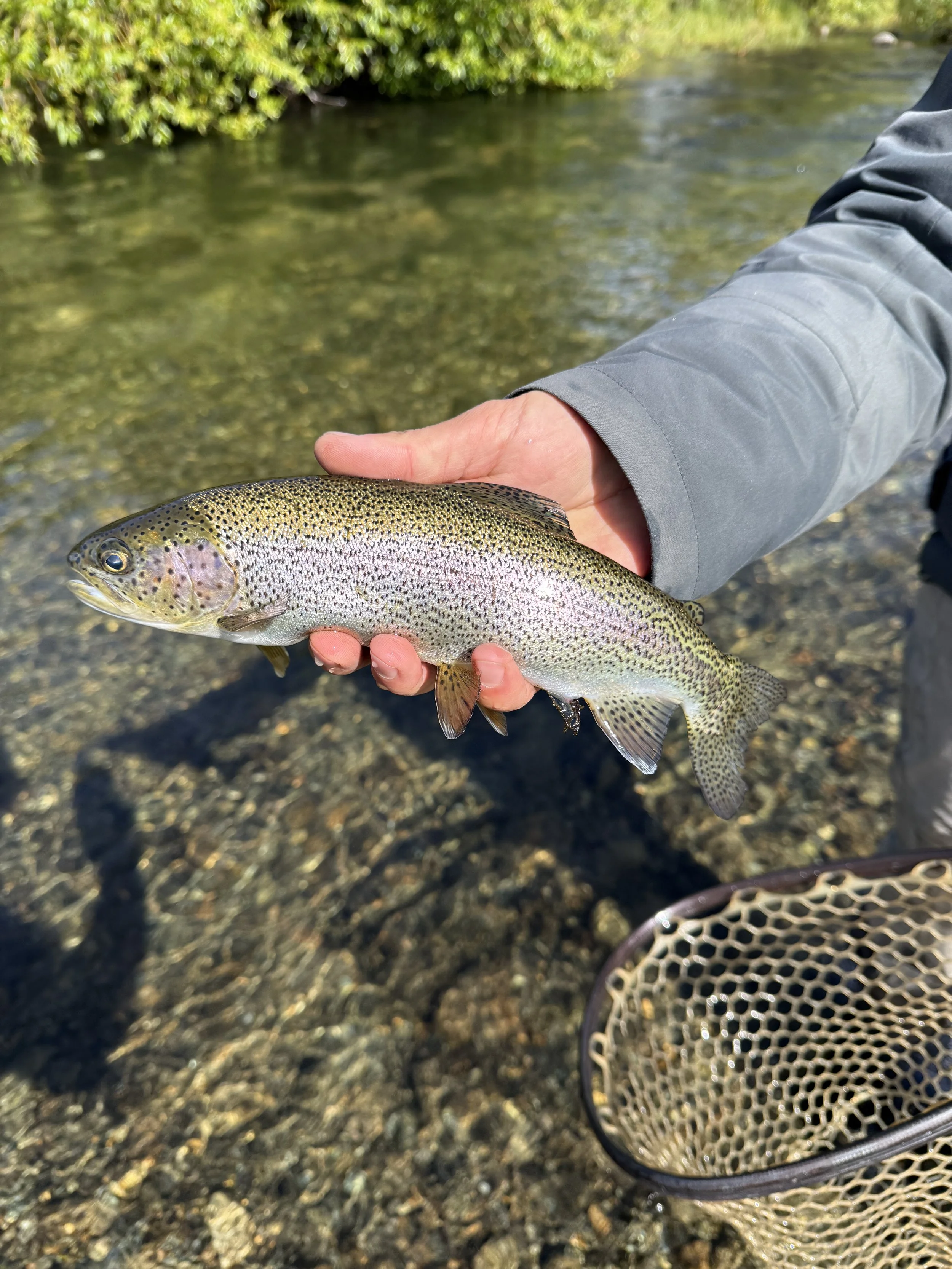
Share our passion and knowledge of fly fishing with others regardless of age, gender, culture, or experience level.
Provide fly fishing information to our members and the general public about the sport, its rich traditions, and etiquette.
Protect and restore local fisheries so future generations can experience the joy of fly fishing
Our Mission:
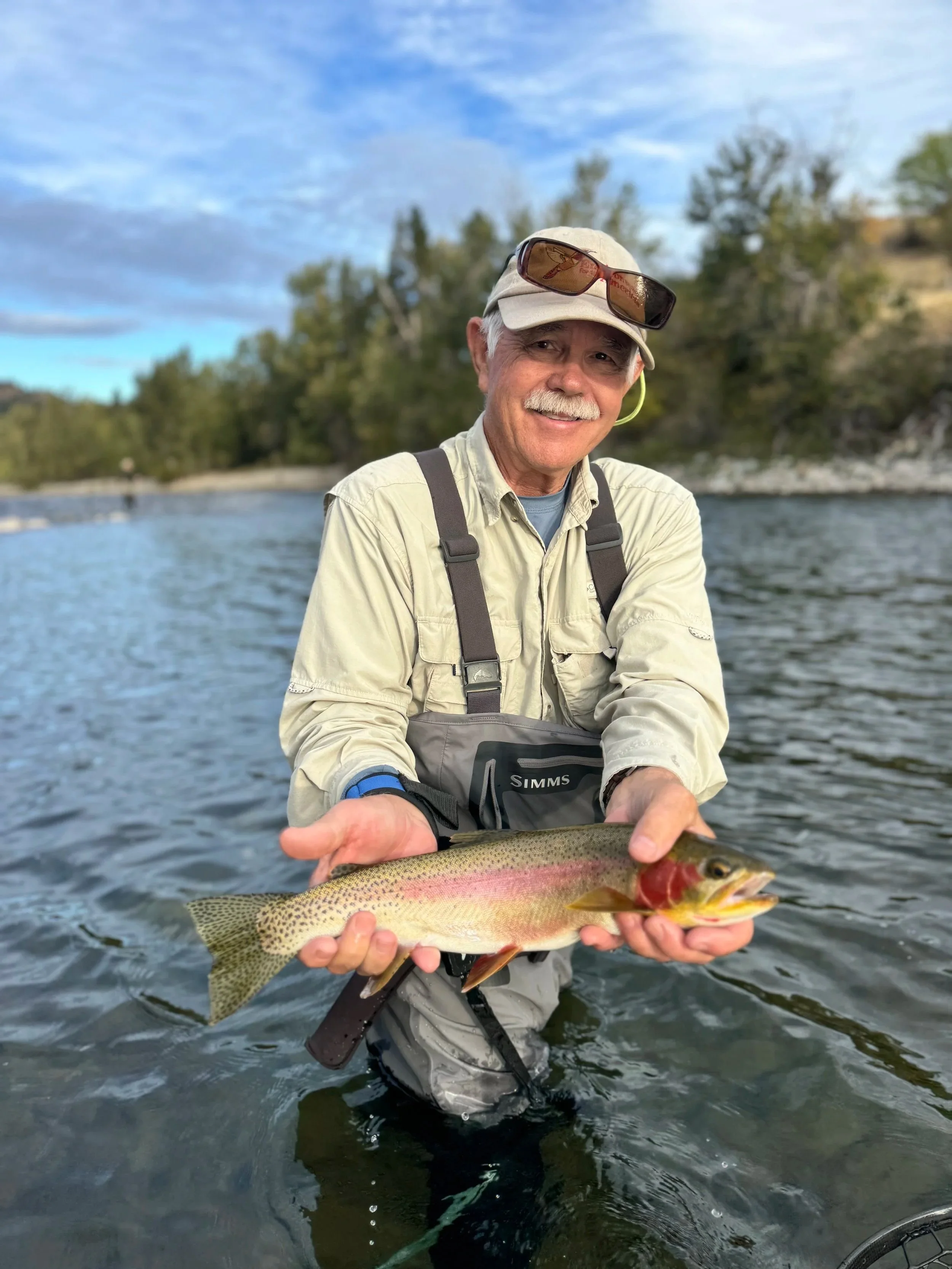
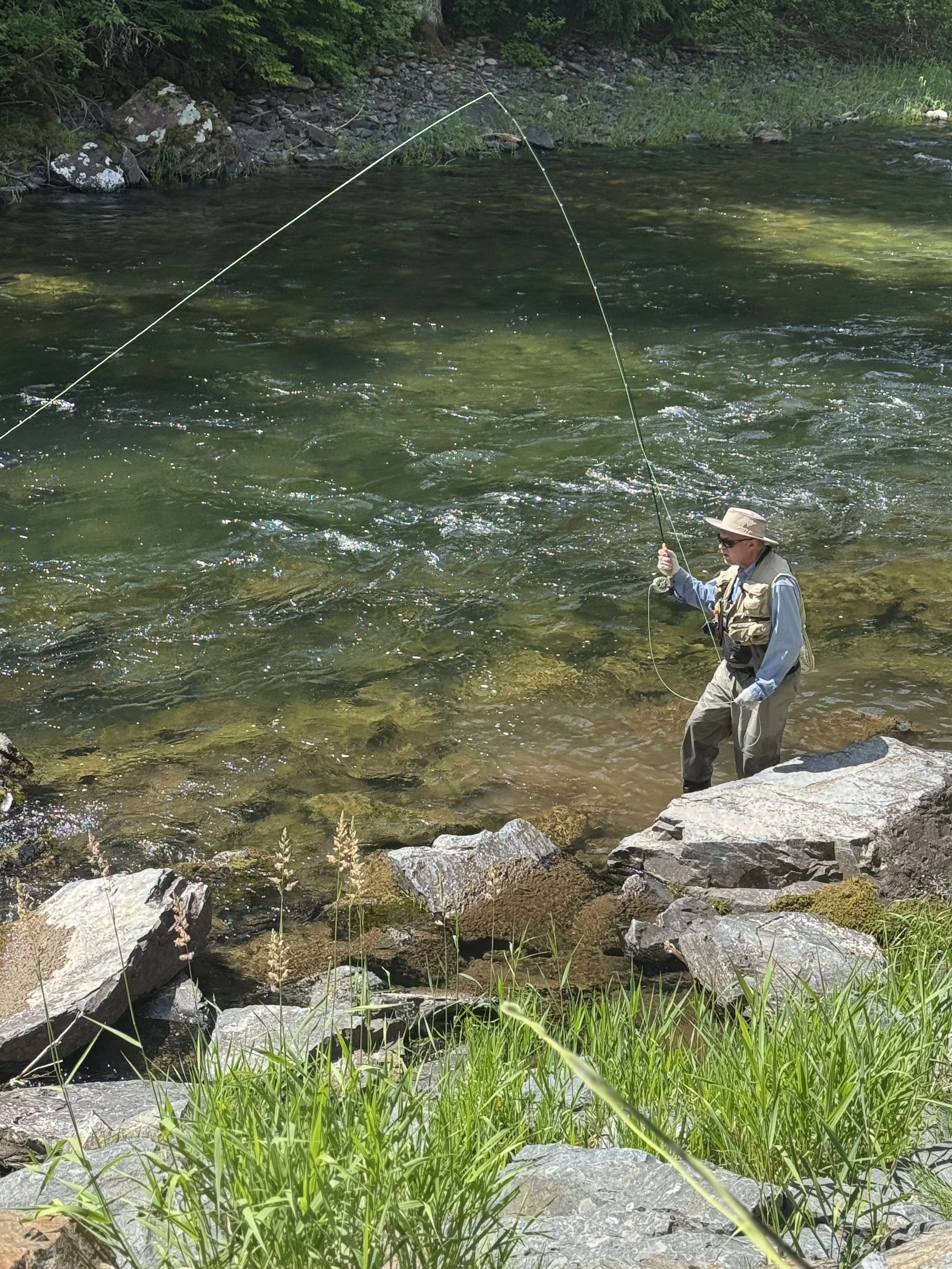
Driven by passion
Wenatchee Valley Fly Fishers was founded in 1984 by a group of local anglers who saw a need for a fly fishing club in the Wenatchee Valley.
The effort was led by Bill Barnett, Rob Hannon, and Jeff Meredith, who believed there were enough fly fishing enthusiasts in the area to build a club centered on fellowship, education, conservation, and a shared love of the sport. After early planning meetings and support from regional fly fishing leaders, the first organizational meeting was held on October 18, 1984, with 41 people in attendance.
By the end of that year, the club had approved its bylaws, signed its Articles of Incorporation, elected its first officers, and officially became Wenatchee Valley Fly Fishers. The first regular club meeting was held on January 17, 1985.
From the beginning, WVFF has been about more than fishing. The club was formed to promote fly fishing as an enjoyable and respectful way to connect with nature, to protect and restore local fisheries, to encourage conservation, and to share knowledge with members and the public.
Today, Wenatchee Valley Fly Fishers continues that original vision: bringing people together through fly fishing, education, conservation, and community.
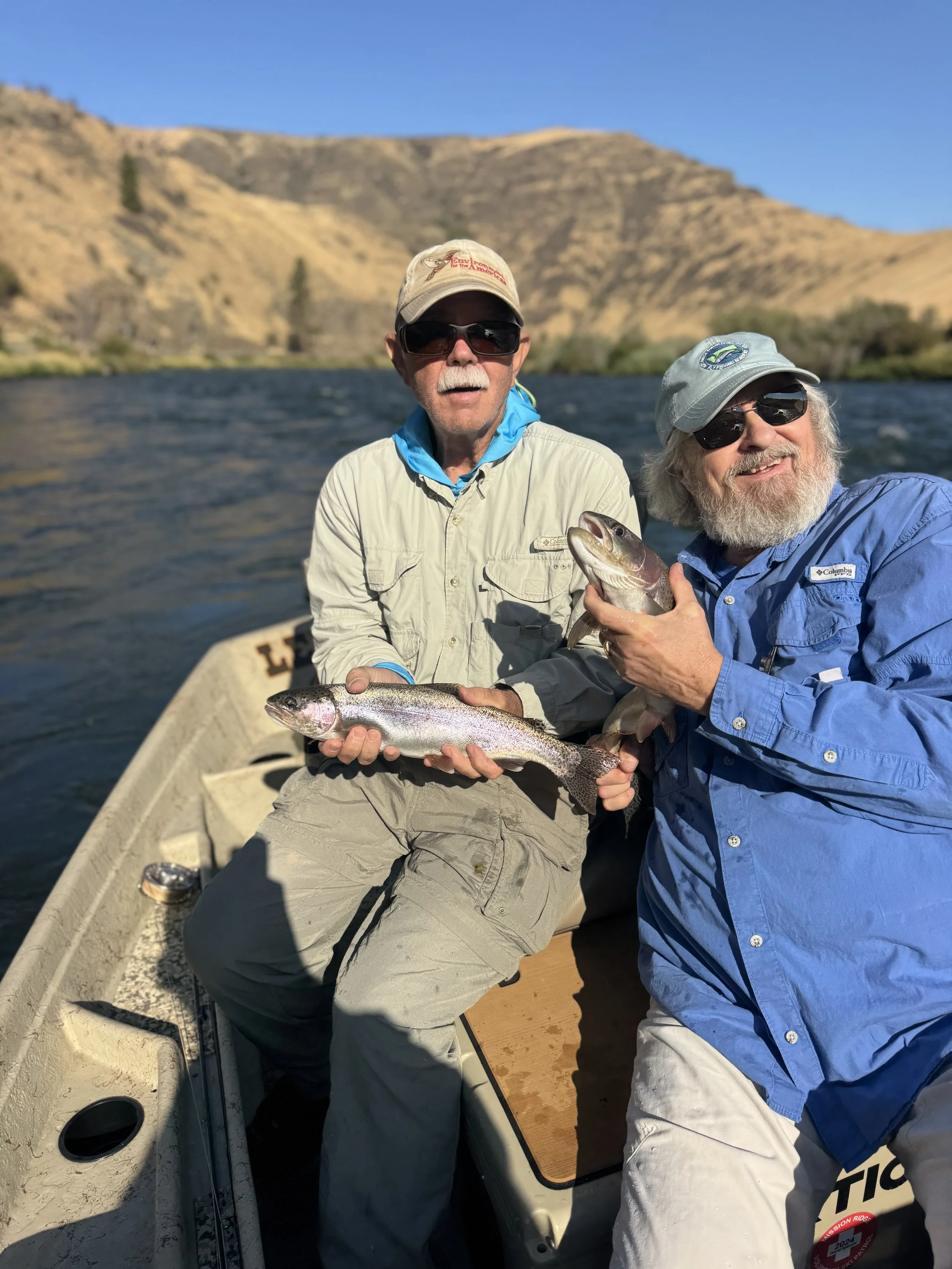
wvff Articles of incorporation
The original Articles of Incorporation established WVFF as more than a fishing club. The organization was created to promote fly fishing as an art form, an enjoyable sport, and a respectful way to connect with nature.
WVFF was also founded to protect, conserve, and enhance local fisheries and the natural environment; support responsible catch-and-release practices for wild and endangered fish; encourage research and education around water, watersheds, fish, and fisheries management; and support efforts that protect sport fishing and fly fishing for the future.
At its core, the club was built to promote fellowship among fly fishers and to educate both members and the general public about fly fishing, conservation, and responsible stewardship of natural resources